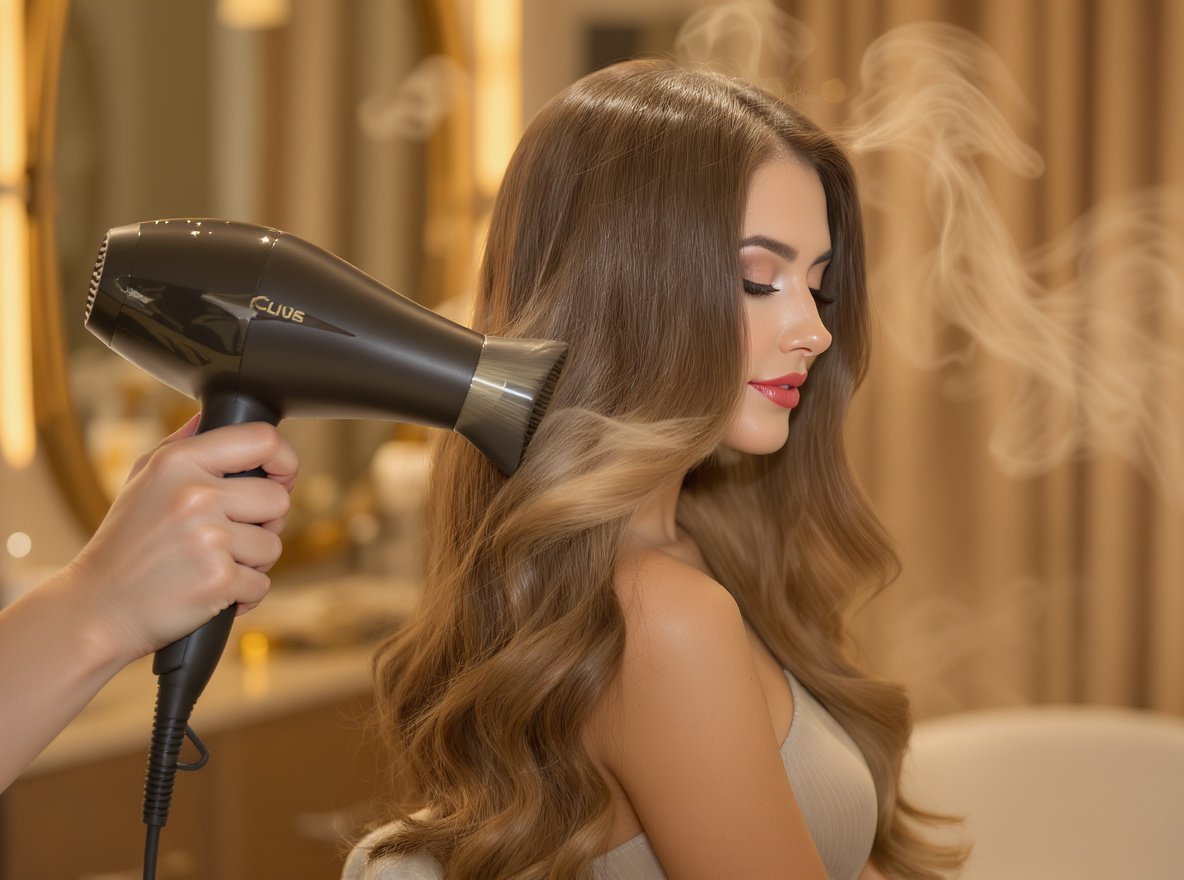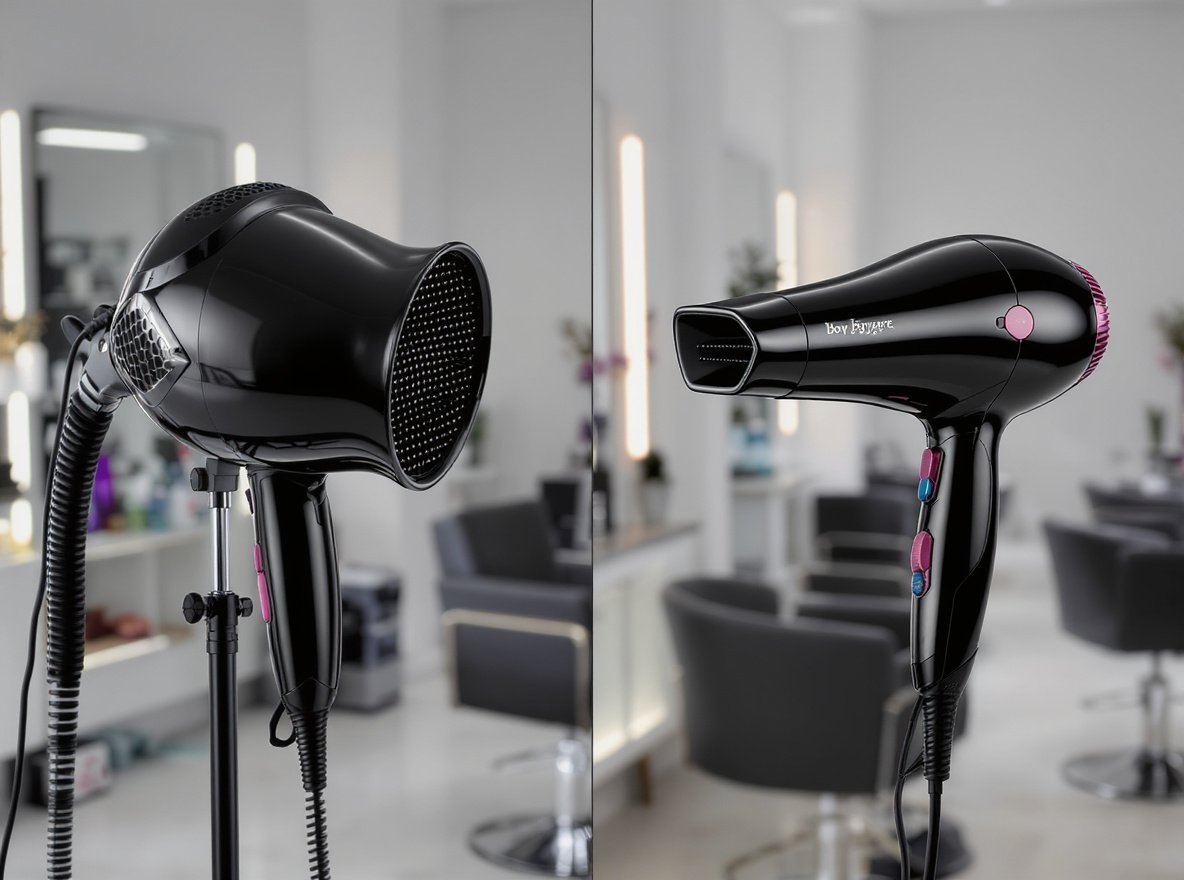
Choosing the right hair dryer can feel overwhelming when you’re stocking inventory for diverse customer needs. Hair length seems like it should dictate different equipment, but does it really require separate product lines? Many retailers wonder if they need length-specific models to satisfy their wholesale customers.
You don’t need different hair dryers for short versus long hair. A single high-quality dryer with adjustable settings and proper attachments can effectively serve all hair lengths. The key differences lie in technique, heat control, and nozzle selection rather than the dryer itself. Versatility through customization features—not specialized models—is what matters most for retailers and end users alike.
Let’s explore exactly what features matter and how you can stock smartly for maximum customer satisfaction across all hair lengths.
What Makes Hair Length Matter When Drying?
Understanding how hair length affects the drying process helps you recommend the right products and guide customers toward proper usage techniques.
Long hair requires approximately 40% more drying time than short hair, making it vulnerable to prolonged heat exposure and potential damage. Short hair dries faster but experiences more concentrated heat per square inch. The primary differences involve drying duration, heat distribution patterns, and airflow penetration needs rather than fundamentally different equipment requirements.
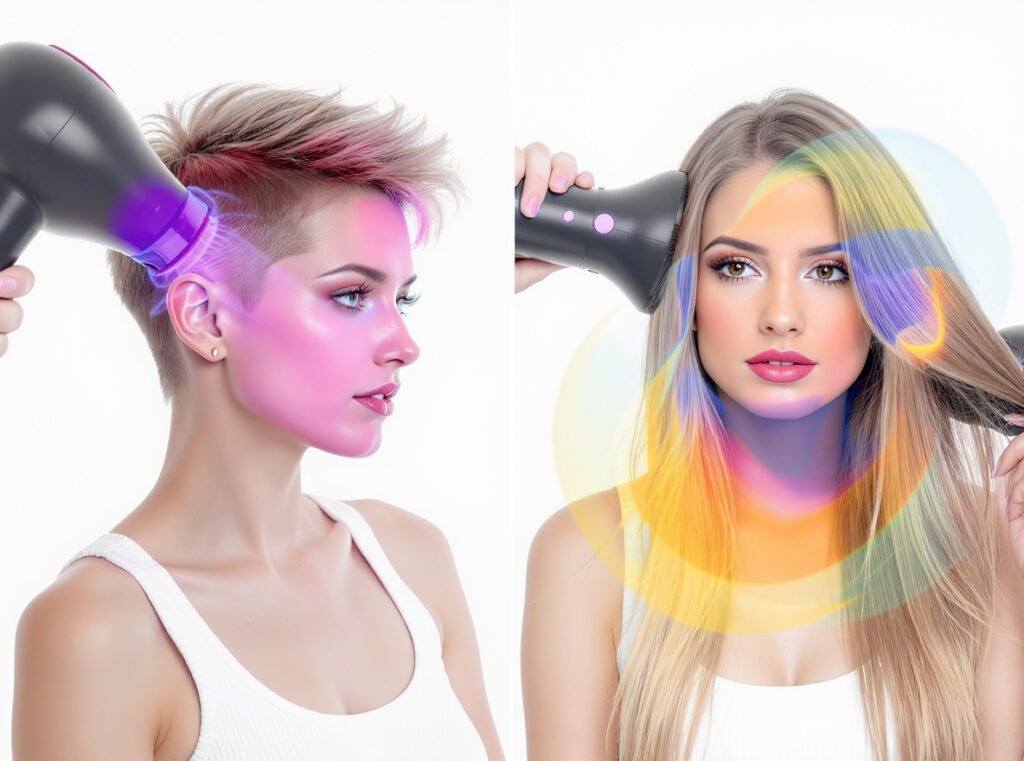
Drying time varies dramatically by length. Short hair typically takes 5-10 minutes, while long hair can require 20-30 minutes or more. This time differential impacts both user experience and the durability demands placed on the equipment.
Heat concentration works differently across lengths. With short hair, the same heat intensity affects a smaller surface area, creating more concentrated exposure. This means short hair can actually experience higher heat intensity per section despite faster overall drying.
Long hair presents distinct challenges that affect equipment performance:
- Requires consistent, powerful airflow to penetrate inner layers and reach all strands
- Demands sustained motor performance during extended 20-30 minute sessions
- Benefits from strategic sectioning to prevent hot spots and uneven drying
- Needs lightweight design to minimize arm fatigue during prolonged use
The physics of airflow distribution changes with length. Long hair requires greater air volume to effectively reach all sections, while short hair benefits from more precise, concentrated airflow for styling control and volume creation.
Can One Hair Dryer Work for All Hair Lengths?
This question directly affects your inventory investment strategy and determines whether you need multiple product lines or can focus on versatile options.
Yes, one professional-quality hair dryer with multiple heat settings (at least three), variable speed controls (minimum two), and interchangeable attachments can effectively serve all hair lengths. Modern hair dryer technology emphasizes adjustability over specialization. This approach reduces inventory complexity, simplifies staff training, and meets diverse customer needs through customization rather than multiplication of SKUs.
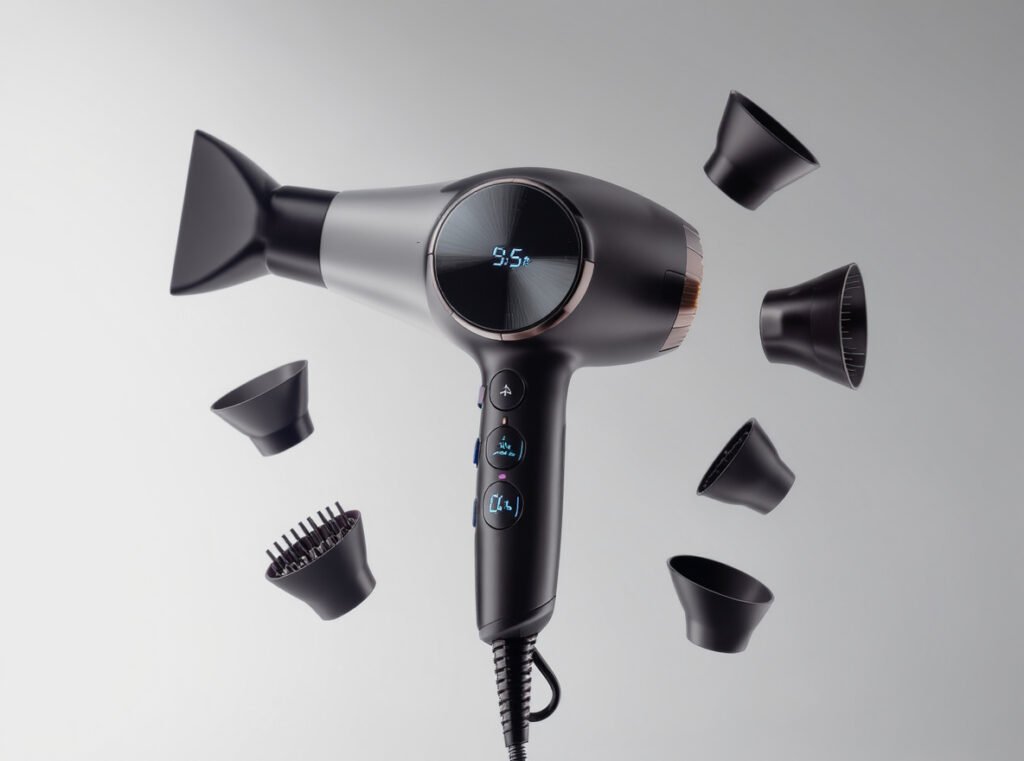
The evolution of hair dryer technology has moved away from one-size-fits-all toward highly adjustable professional tools. A well-designed dryer gives users complete control over their drying experience regardless of hair length.
Adjustability is the cornerstone of universal functionality. Someone with a pixie cut can use lower heat and moderate speed settings, while someone with waist-length hair can maximize both power and heat for efficiency without changing equipment.
| Feature | Benefit for Short Hair | Benefit for Long Hair |
|---|---|---|
| Multiple heat settings (3+) | Prevents concentrated heat damage | Allows efficient drying without overheating |
| Variable speed control (2-3 levels) | Enables precise styling and root volume | Provides powerful airflow for thorough penetration |
| Interchangeable nozzles | Narrow concentrators for targeted styling | Wide nozzles for broad heat distribution |
| Cool shot button | Sets short styles quickly | Seals cuticles and adds shine across all lengths |
| Ionic technology | Reduces frizz, adds shine | Cuts drying time by 30-40% |
Modern professional models like the Laifex P1C high-speed hair dryer exemplify this versatile approach. With adjustable settings and professional-grade construction, it handles everything from pixie cuts to waist-length hair in salon environments where stylists serve clients with dramatically different hair lengths throughout the day.
What Motor Power Do You Really Need?
Motor wattage appears prominently in product specifications, but understanding what power ratings actually mean for different hair lengths helps you stock appropriately and guide customer purchases.
Long, thick hair benefits most from high-wattage motors (1800-2400 watts) because they maintain consistent power and airflow during extended 20-30 minute drying sessions. Short to medium hair can work effectively with moderate wattage (1400-1800 watts) since drying time is brief. However, professional salon environments should prioritize higher wattage (1875+ watts) regardless of client hair length for durability, versatility, and efficiency across all services.
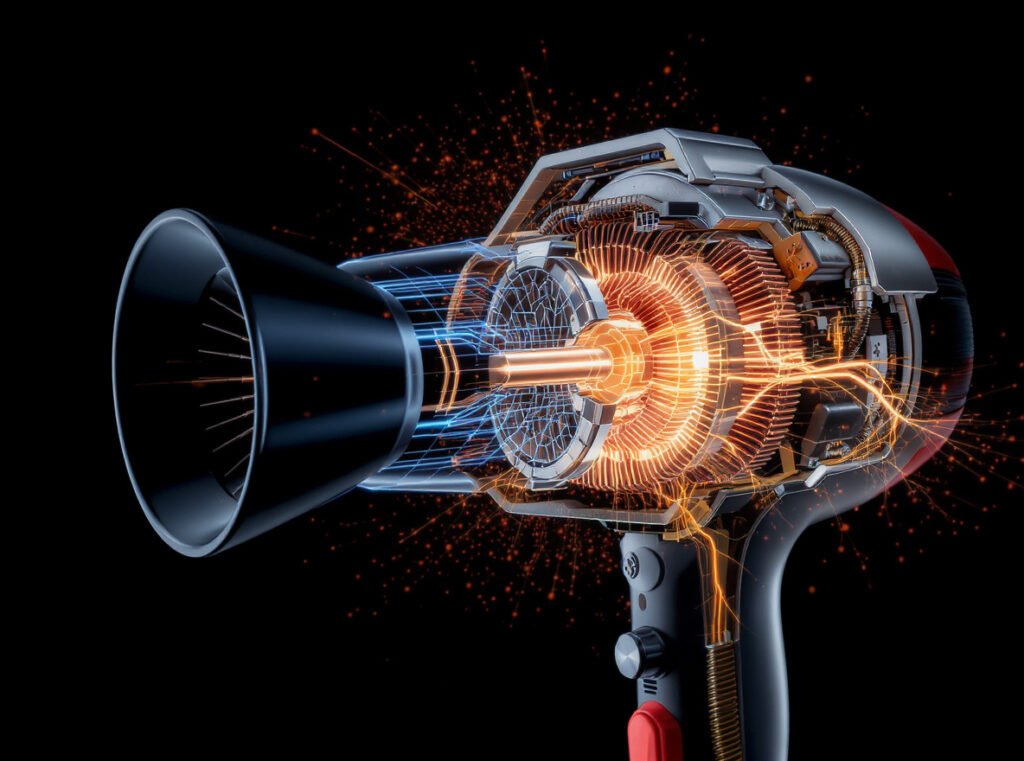
Motor power affects three critical performance factors: drying speed, equipment longevity, and heat consistency under sustained use.
Higher wattage motors don’t just generate more heat—they primarily deliver greater air volume and velocity. This increased airflow is crucial for penetrating dense, long hair sections and reaching inner layers effectively. For someone with long, thick hair, adequate wattage means the difference between a 15-minute drying session and a 30-minute ordeal.
Motor type considerations matter as much as wattage:
- AC motors: Common in traditional professional dryers, providing 700-1200 hours of durable performance with powerful, consistent airflow ideal for long hair but typically heavier
- Brushless digital motors: Offer lighter weight (under 600g), higher RPMs (10,000-100,000+), longer lifespan (10,000+ hours), and efficient airflow but come at higher cost
- Standard DC motors: Found in consumer models, adequate for occasional home use but limited professional durability
Professional versus consumer power guidelines:
- Professional salons: 1875+ watts minimum for versatility across all client hair lengths and back-to-back styling sessions
- Home use – long hair: 1600-1875 watts provides efficiency without excessive energy consumption
- Home use – short hair: 1400-1700 watts offers adequate performance at lower cost
- Travel models: 1200-1500 watts acceptable for occasional use regardless of hair length
Remember that motor quality rivals power ratings in importance. A well-engineered 1600W motor with optimized airflow design often outperforms a poorly designed 2000W model because of superior heat distribution and air delivery efficiency.
Which Nozzle Attachments Actually Matter?
Nozzles transform hair dryer performance more than any other accessory category. Understanding attachment functions helps you stock products that maximize customer satisfaction across all hair lengths.
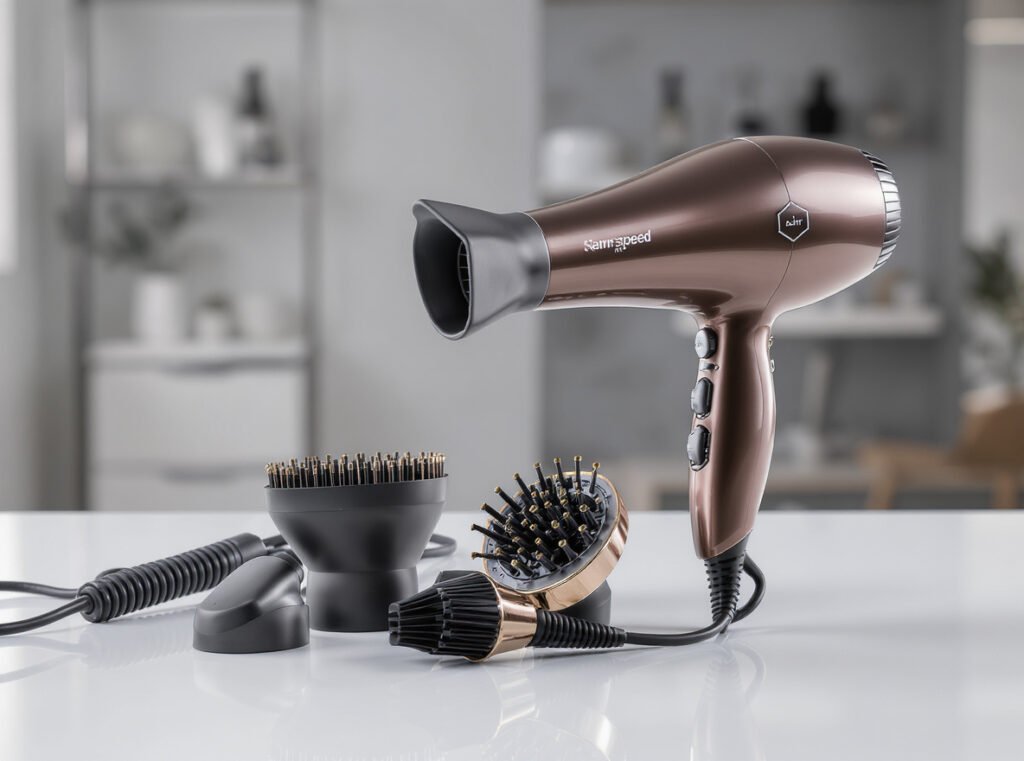
Narrow concentrator nozzles (1-2 inches wide) work best for short hair styling and precision work, directing focused airflow for volume and shape creation. Broader nozzles (2-3 inches wide) efficiently dry long hair by distributing heat over larger sections. Diffusers benefit curly or wavy hair regardless of length. Offering dryers with multiple nozzle options in the package maximizes versatility and eliminates the need for separate length-specific models.
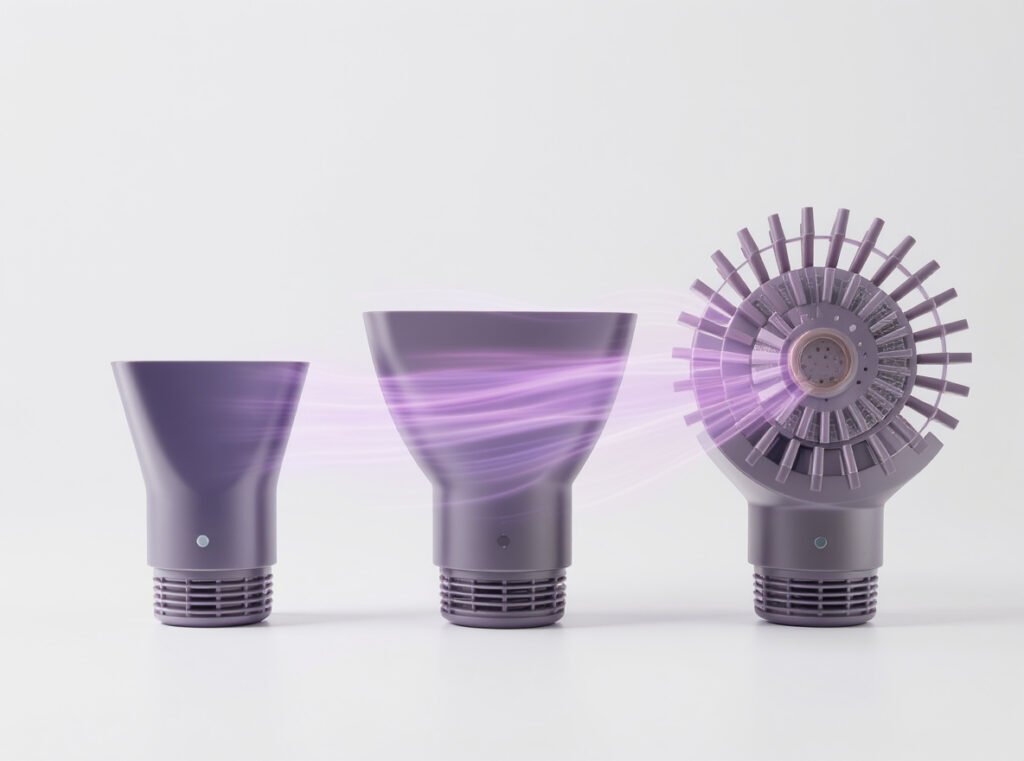
Concentrator nozzles serve as the precision tool in your attachment arsenal. These narrow attachments focus airflow into a concentrated stream, creating dramatically different benefits based on hair length.
For short hair, concentrators enable:
- Precise styling and shape creation in bobs, pixie cuts, and short layered styles
- Targeted volume creation at roots
- Smooth, controlled blowouts with professional finish quality
- Direction control for creating specific angles and movement
For long hair, concentrators provide:
- Essential sectioning capability for methodical drying
- Controlled airflow direction to smooth cuticles and reduce frizz
- Professional blowout capability when used with round brushes
- Efficient heat distribution that covers entire sections without excessive passes
Diffuser attachments work by dispersing airflow evenly, making them suitable for textured hair at any length:
- Long wavy/curly hair: Prevents disruption of natural curl patterns while drying efficiently
- Short textured hair: Adds volume and definition without creating frizz
- Straight hair (any length): Creates subtle volume and natural movement when desired
Comb attachments represent a specialized category:
- Detangling long, thick hair during the drying process
- Creating lift and volume in shorter styles
- Straightening naturally textured hair while drying
When evaluating inventory, prioritize dryers that include at least two attachment types in the standard package. This immediately increases product appeal to a broader customer base without requiring you to maintain multiple SKUs for different hair lengths.
How Should Heat Settings Differ by Length?
Temperature control represents one of the most critical yet frequently overlooked features. Understanding proper heat application prevents customer dissatisfaction and protects end-user hair health.
Short hair typically requires lower to medium heat settings because heat concentrates on a smaller surface area, while long hair can handle medium to high heat for efficiency but needs lower settings for delicate ends. The ideal professional dryer offers at least three distinct temperature settings plus a cool shot function to serve all hair lengths effectively. Heat progression strategy—starting lower and increasing gradually—prevents thermal shock and is crucial for long hair’s extended drying time.
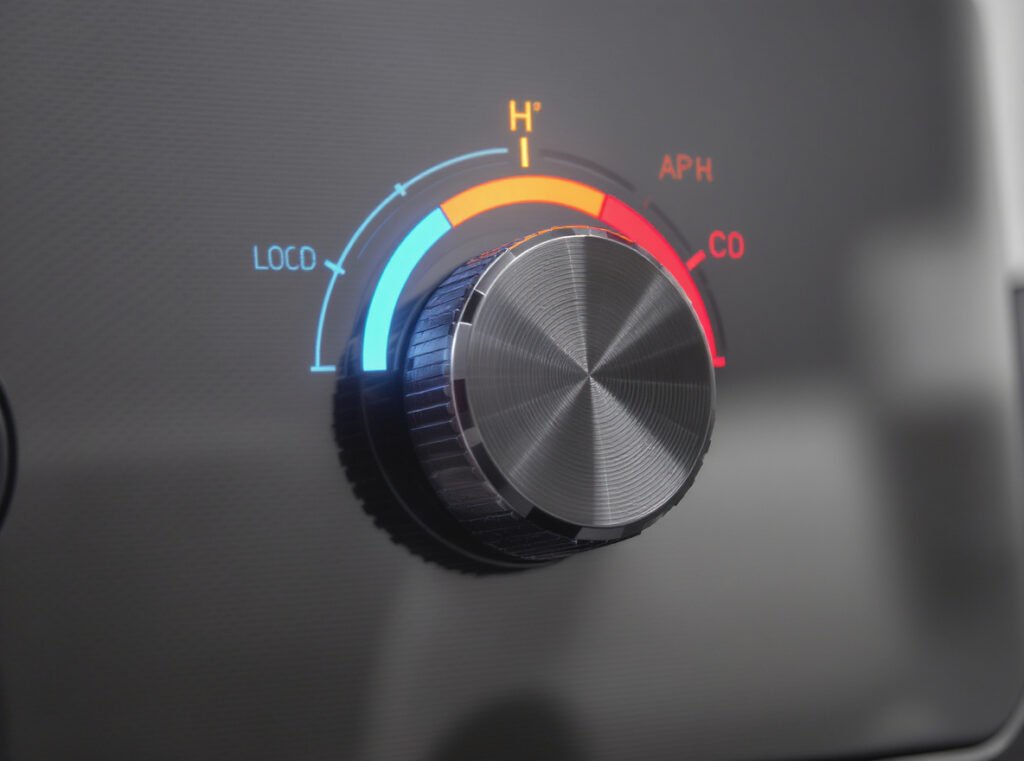
Heat damage occurs when high temperatures are applied too long to the same hair section. Short hair reaches this damage threshold faster because there’s less hair mass to absorb and disperse the heat energy.
| Hair Length/Type | Recommended Heat | Speed Setting | Rationale |
|---|---|---|---|
| Fine, short hair | Low to medium (150-200°F) | High (with caution) | Prevents over-drying, achieves quick moisture removal |
| Medium length | Medium (180-220°F) | High | Provides balanced efficiency without damage risk |
| Long, thick hair | Medium to high (200-250°F) | Medium to high | Reduces drying time, prevents heat saturation in inner layers |
| Curly (any length) | Low (140-180°F) | Low | Preserves curl definition, minimizes frizz formation |
Professional heat management strategy involves starting with lower heat to gradually warm the hair, then increasing as needed. This approach prevents thermal shock—a particular concern for long hair that requires 20-30 minutes of continuous heat exposure.
The cool shot button serves all hair lengths equally. It rapidly cools hair while held in the desired shape, setting styles in place and sealing cuticles for enhanced shine. Professional dryers should feature easily accessible cool shot buttons that stylists can activate without adjusting their grip.
Ionic technology provides benefits across all lengths by breaking down water molecules for faster drying at lower temperatures. This reduces heat damage risk for short hair while dramatically improving efficiency for long hair, often cutting drying time by 30-40%.
Ceramic and tourmaline heating elements offer another universal advantage. They provide even heat distribution that prevents hot spots in long hair while remaining gentle enough for short, fine hair that processes quickly.
Why Do Weight and Ergonomics Matter?
Physical comfort during use dramatically affects customer satisfaction, yet many retailers underestimate this factor’s importance in purchase decisions and long-term user happiness.
Hair dryer weight matters most for long hair users who hold the tool for 20-30 minutes per session, but lightweight designs benefit everyone. Models weighing under 600 grams (approximately 1.3 pounds) reduce arm fatigue and improve styling control. Professional models should prioritize balanced weight distribution over simply minimizing weight, as proper balance affects perceived heaviness more than actual specifications.
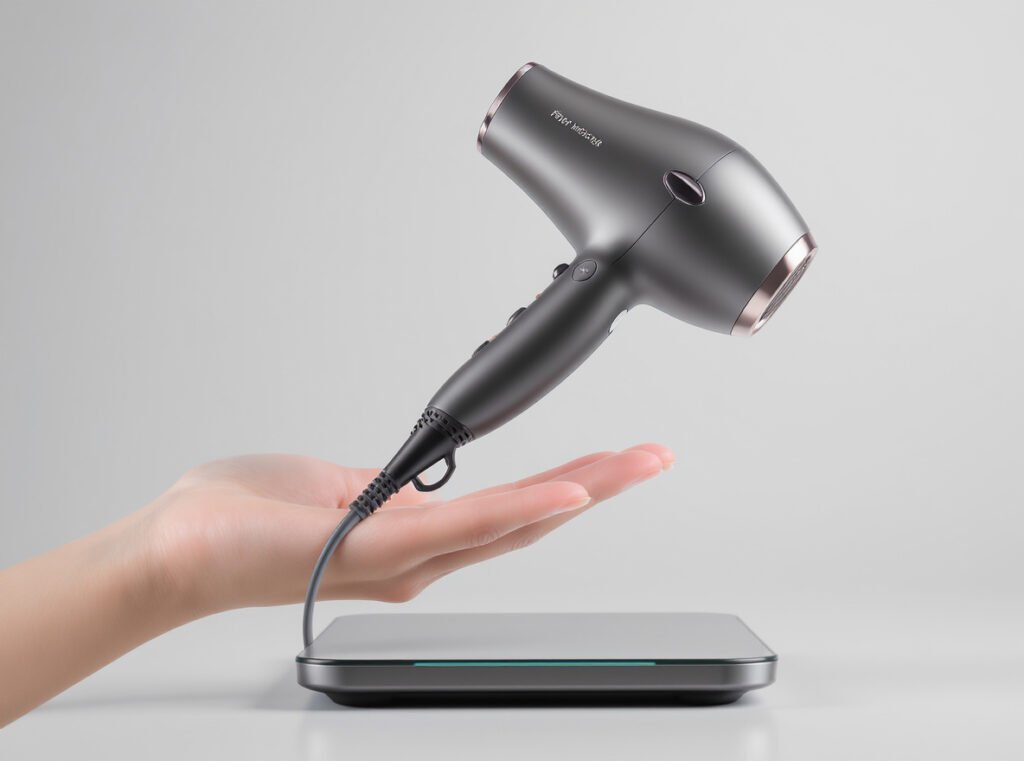
Extended use reveals ergonomic problems that brief testing never catches. A dryer that feels perfectly comfortable for five minutes might become painfully heavy after twenty, leading to dissatisfied customers and negative reviews.
Professional usage demands even stricter ergonomic standards. Salon stylists using dryers 6-8 hours daily across multiple clients experience significant cumulative strain. Weight-related fatigue affects styling precision, work quality, and even long-term occupational health.
Weight category impact analysis:
- Under 600g (1.3 lbs): Optimal for all users, essential for professionals and long hair users, minimizes fatigue even during extended sessions
- 600-680g (1.3-1.5 lbs): Acceptable for most users, may cause some fatigue with long hair during extended use
- Over 680g (1.5 lbs): Typically professional models with powerful AC motors, acceptable for salon use with breaks between clients but challenging for continuous home use
Handle design affects perceived weight as significantly as actual specifications. A well-balanced dryer with an ergonomic grip feels substantially lighter than its measured weight. Look for these design elements:
- Ergonomic handles with soft-touch coating that prevents slipping during extended use
- Weight balanced toward the handle rather than concentrated in the motor housing
- Compact motor design that doesn’t extend far from the grip point
- Swivel power cord (360-degree rotation) that prevents twisting and tangling during use
Some innovative professional systems now offer weightless mounting solutions that eliminate dryer weight entirely during use, though these remain specialized salon equipment rather than standard retail products.
The Laifex P1C incorporates modern ergonomic principles with balanced weight distribution and comfortable grip design, making it suitable for both professional salon use and home users with long hair who need extended drying sessions.
What Special Features Define Professional Models?
Understanding the distinction between consumer and professional equipment helps wholesale buyers make informed inventory decisions and position products appropriately for different market segments.
Professional hair dryers need higher durability ratings (3-7 year lifespan versus 1-3 years), sustained power output for 6-8 hours daily use, and features like removable filters for maintenance. Professional models typically use AC motors or advanced brushless motors rather than standard DC motors, offer higher wattage (1875+ watts), and include comprehensive warranties (2-4 years versus 1 year). These features matter regardless of the hair length being dried because they address usage intensity rather than hair characteristics.
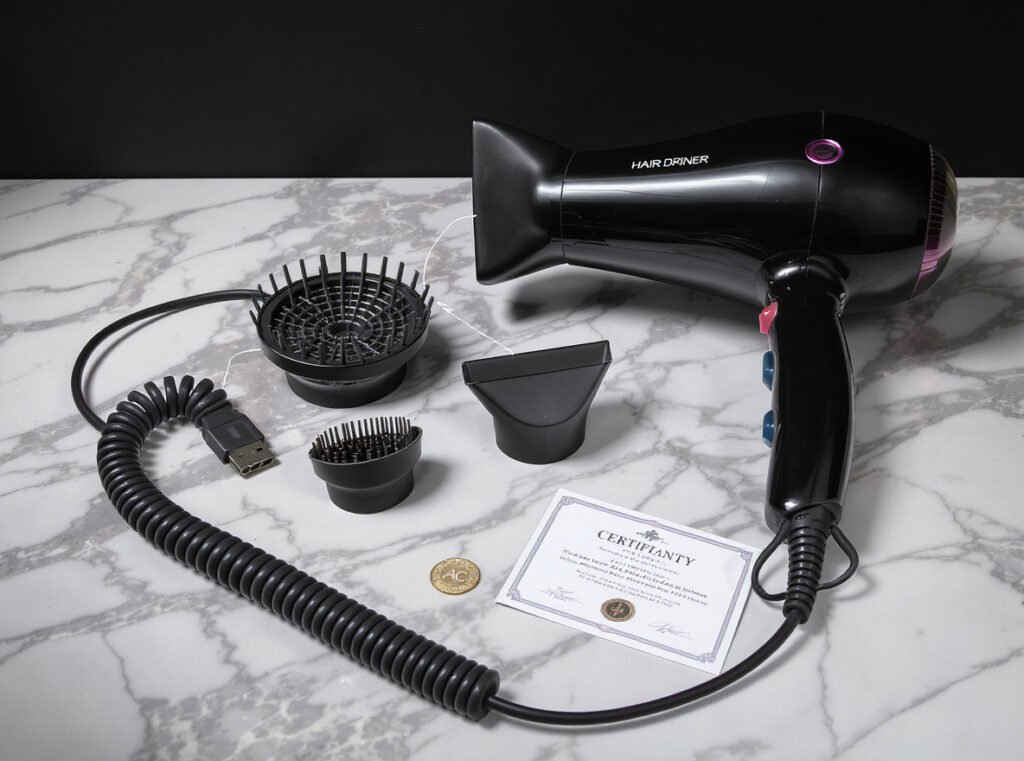
Professional environments place entirely different demands on equipment than home use. A salon dryer might operate 6-8 hours daily, five or six days weekly, serving dozens of clients. Consumer models aren’t engineered for this intensity and fail quickly under professional conditions.
Key professional feature distinctions:
- Motor type and durability: AC motors or brushless digital motors designed for 700-10,000+ hours of operation versus consumer DC motors rated for occasional use
- Sustained power output: Maintains consistent wattage and airflow during extended use without overheating or performance degradation
- Heat consistency: Delivers stable temperatures throughout 20-30 minute drying sessions without fluctuation
- Maintenance features: Removable, washable filters that prevent dust buildup and maintain performance
- Cord length: 9+ feet for salon maneuverability versus 6-7 feet typical in consumer models
- Warranty coverage: 2-4 years comprehensive coverage versus 1 year limited warranties
Professional stylists working with varied hair lengths throughout the day need maximum versatility. They cannot swap dryers between a client with a pixie cut and one with waist-length hair. This makes adjustable settings absolutely essential in professional contexts.
Advanced technology features that benefit all hair lengths:
- Ionic technology: Universal application reducing drying time by 30-40% regardless of length
- Ceramic/tourmaline heating: Even heat distribution prevents hot spots in long hair, remains gentle for short styles
- Multiple setting combinations: Professional models offer 9+ setting combinations (3 heat × 3 speed levels) for precise control
- Cool-touch nozzles: Safety feature important when working close to scalps, especially in short haircuts
When targeting wholesale buyers who serve professional markets, emphasize durability metrics, sustained performance capabilities, and the cost-per-use advantage that justifies higher initial investment.
How Do Budget Tiers Affect Performance?
Price points vary dramatically in the hair dryer market, from under $20 to over $400. Understanding how budget correlates with features and performance helps you stock appropriate options for different customer segments.
Budget dryers ($20-50) can adequately serve short hair users but typically lack the sustained power and durability for regular long hair use. Mid-range models ($50-150) offer the best value proposition with adequate features, reasonable durability, and versatility for all hair lengths. Premium dryers ($150-400+) provide advanced technology, professional-grade construction, and extended warranties. Successful wholesale inventory includes all three tiers to capture different market segments and price sensitivity levels.
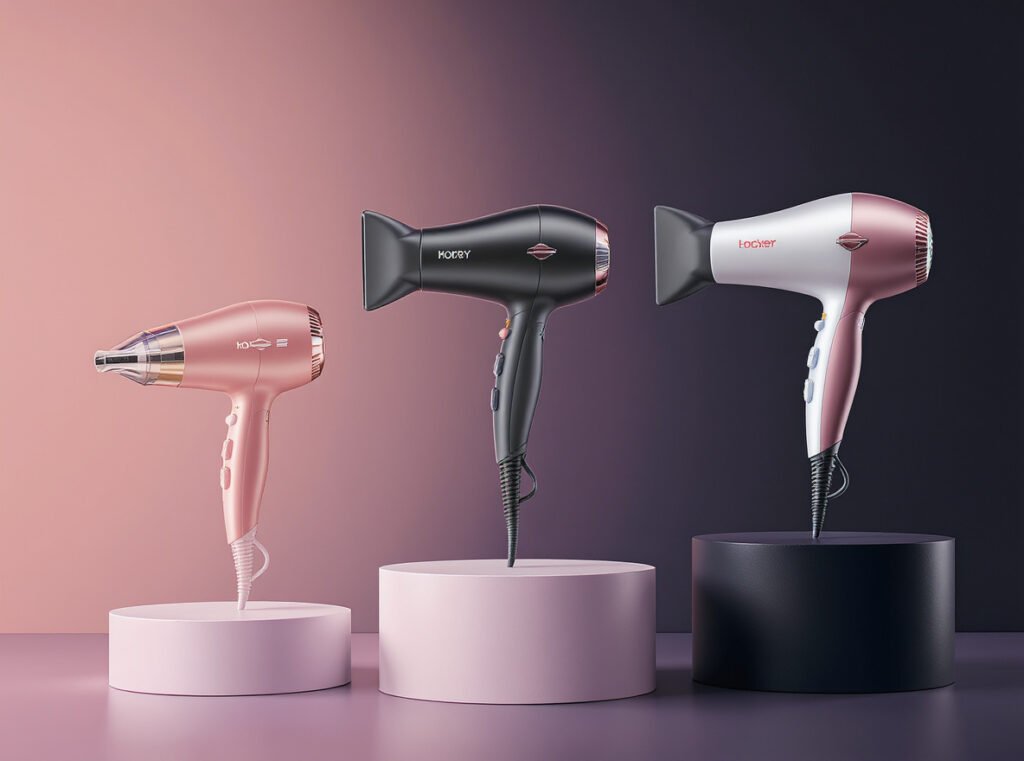
Price correlates with feature sets, build quality, and expected lifespan, though not always with basic functionality for different hair lengths.
Budget models ($20-50) typically compromise on:
- Motor power (1200-1500 watts) insufficient for efficient long hair drying
- Limited heat settings (often just two: high and low) reducing versatility
- Basic attachments or none included in package
- Lower-quality materials and construction
- Minimal warranty coverage (30-90 days typical)
- Shorter expected lifespan (1-2 years maximum)
These limitations make budget dryers adequate for short hair, which requires less drying time and places minimal stress on the motor. However, they prove problematic for long hair users who need sustained performance during 20-30 minute sessions and quickly experience motor burnout or inconsistent heating.
Mid-range models ($50-150) represent the sweet spot for versatile inventory:
- Adequate power (1600-1875 watts) for efficient drying across all lengths
- Three heat settings plus cool shot for versatility
- Multiple attachments included (at least concentrator and diffuser)
- Ionic or ceramic technology for improved performance
- Reasonable 1-2 year warranty coverage
- Expected lifespan of 2-4 years with proper care
This tier serves the broadest customer base effectively. Home users with any hair length find adequate performance, while budget-conscious salon operators can use these for backup equipment.
Premium models ($150-400+) justify their cost through:
- Maximum power (1875-2400+ watts) with advanced motor technology
- Smart heat control systems that prevent damage automatically
- Ultra-quiet operation (important in salon environments)
- Professional-grade construction and materials
- Extended warranties (2-4 years comprehensive)
- Expected lifespan of 5-7+ years even under heavy use
- Advanced features like memory settings, digital displays, or app connectivity
Premium models work equally well for all hair lengths but target customers who prioritize performance, longevity, and professional results over initial cost considerations.
Cost-per-use analysis for professional buyers:
- Professional dryer: $200-500 initial cost ÷ 5 years ÷ 2,000 hours use = $0.02-0.05 per hour
- Consumer dryer: $50 initial cost ÷ 2 years ÷ 400 hours use = $0.06 per hour (plus replacement hassles)
For B2B wholesale buyers, consider your target retail market carefully:
- Big-box retailers: Need all three price tiers to serve diverse shoppers
- Specialty beauty supply stores: Focus on mid-range and premium options where expertise adds value
- Salon suppliers: Emphasize professional-grade options regardless of price
- Online marketplaces: Require clear tier differentiation and detailed specifications to help customers self-select
What’s the Smartest Inventory Strategy?
Stocking decisions directly affect both working capital efficiency and your ability to meet diverse customer needs. Smart retailers balance variety with inventory simplicity.
Stock versatile, adjustable hair dryers rather than length-specific models. Focus on 2-3 core products that serve all hair lengths through variable settings and multiple attachments. This approach follows the 80/20 principle: 80% of sales come from 20% of inventory. Include at least one option in each price tier (budget, mid-range, professional) to capture different market segments while avoiding excessive SKU proliferation.
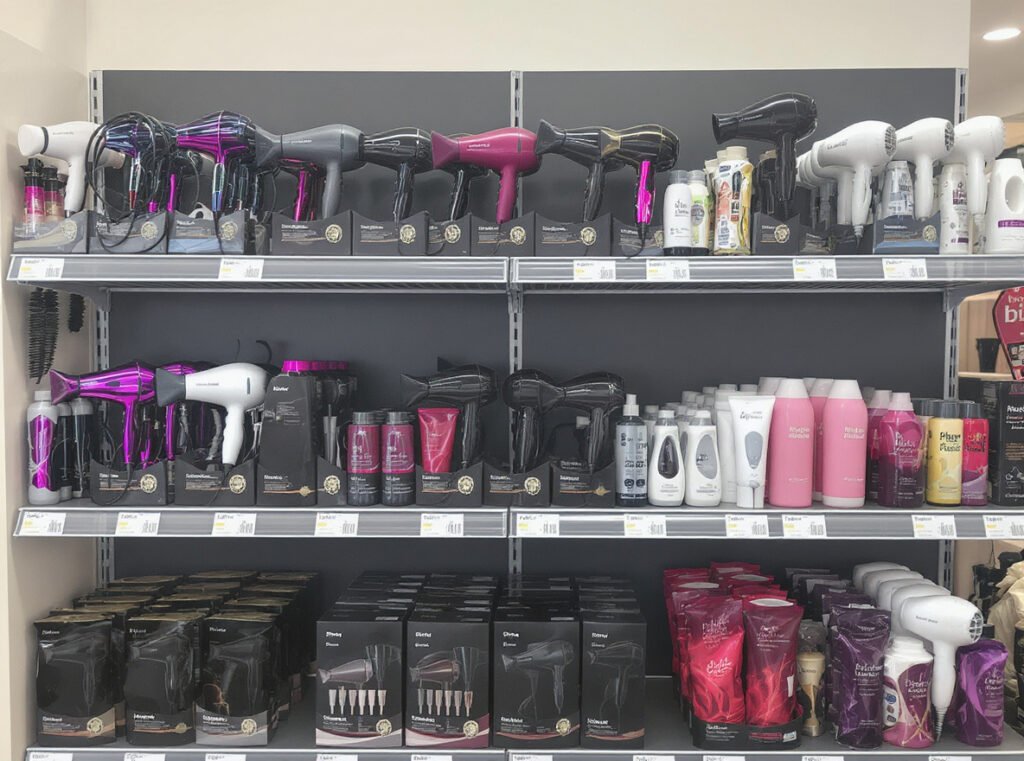
Inventory efficiency directly impacts profitability through reduced storage costs, simplified staff training, and decreased risk of slow-moving stock. Carrying ten different dryer models creates unnecessary complexity without proportional sales benefits.
The three-tier approach works for most wholesale operations:
Tier 1 – Budget Option ($20-50)
- Basic model with adequate power for short to medium hair
- Essential features for price-conscious customers
- Lower margin but captures entry-level segment
- Position as: “Affordable quality for basic needs”
Tier 2 – Mid-Range Versatile Model ($50-150)
- Professional-grade features at consumer-friendly pricing
- Good power (1600-1875W), multiple settings, included attachments
- Highest volume potential for most wholesalers
- Position as: “Best value – professional features for all hair types”
- Example: Laifex P1C high-speed hair dryer
Tier 3 – Professional Premium ($150-400+)
- Maximum power, durability, and advanced features
- Higher margin, targets salon operators and quality-focused consumers
- Lower volume but essential for credibility with professional buyers
- Position as: “Professional equipment for serious results”
Within each tier, choose models with these universal features:
- At least three heat settings plus cool shot
- At least two speed settings (three preferred)
- Minimum 1600W motor power
- Multiple nozzle attachments included
- Ionic or ceramic technology
- Reasonable warranty for price point
Inventory management best practices:
- Initial stock ratio: 20% budget tier, 50% mid-range tier, 30% premium tier
- Adjust based on data: Monitor sales velocity and adjust ratios quarterly
- Attachment inventory: Maintain 2-3 extra concentrators and diffusers per dryer model for replacement sales
- Seasonal considerations: Stock lighter models before summer travel season, professional models before holiday gift season
Avoid these common stocking mistakes:
- Don’t stock separate “short hair” and “long hair” models—it’s unnecessary and confusing
- Don’t over-diversify with too many similar mid-range options
- Don’t neglect the budget tier even if margins are lower—it captures important market share
- Don’t stock professional equipment without ability to educate buyers on proper use and value
Marketing strategy for versatile inventory:
Instead of marketing “best for long hair” or “perfect for short styles,” emphasize “suitable for all hair lengths” with adjustable settings as the key selling point. This positioning:
- Simplifies customer decision-making
- Reduces returns from customers who feel they bought the “wrong” model
- Allows upselling based on features and quality rather than hair length
- Positions you as experts who understand modern hair dryer technology
For online wholesale catalogs, organize by price tier and intended use (consumer versus professional) rather than by hair length. Include clear specification tables that show power, settings, attachments, and warranty so buyers can self-select confidently.
Summary
You don’t need separate hair dryers for different hair lengths. Invest in versatile models with adjustable heat settings, variable speed controls, and multiple nozzle attachments. These features let one product serve all customer needs effectively. Focus inventory on quality and appropriate price tiers over unnecessary variety.
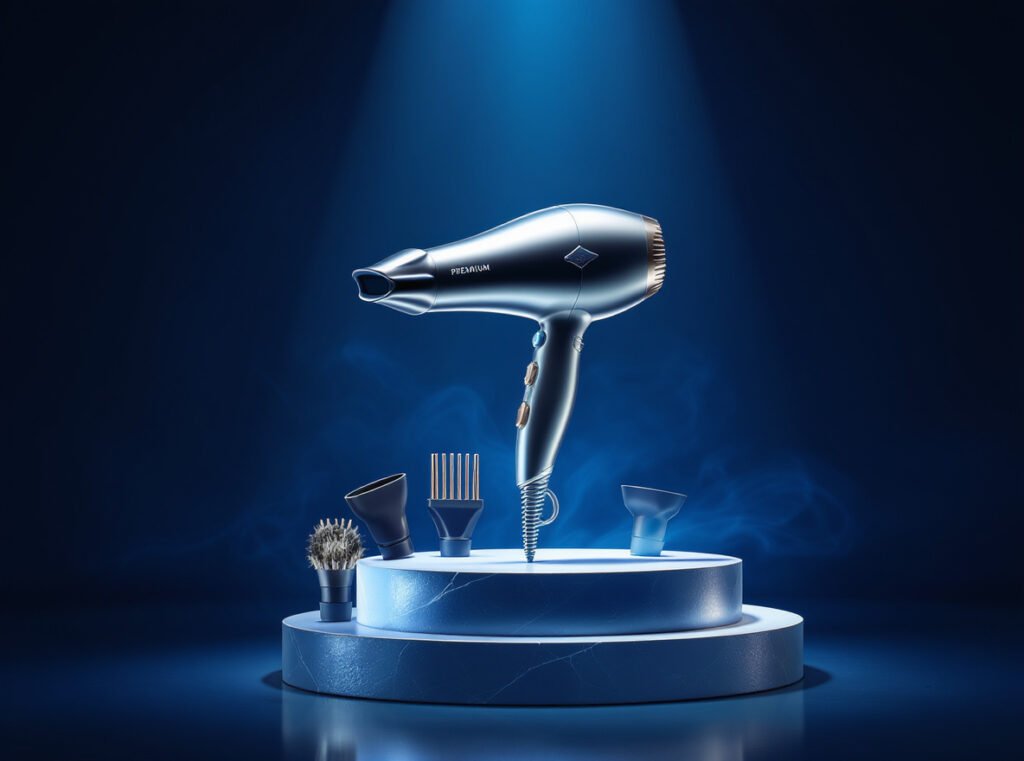
Ready to stock hair dryers that satisfy customers with any hair length? Explore the Laifex P1C high-speed hair dryer—a professional-grade solution with adjustable settings, powerful performance, and versatile attachments for all hair types and lengths. Contact us today to discuss wholesale pricing, minimum order quantities, and how our high-quality products can help grow your business and satisfy your most demanding customers.